Gwennap
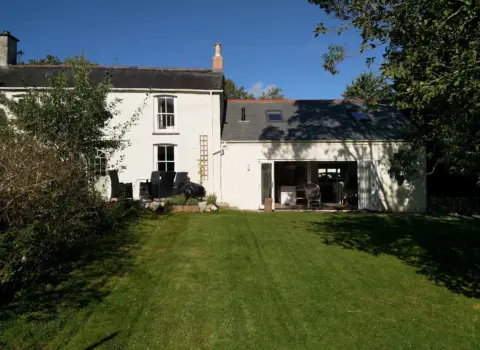
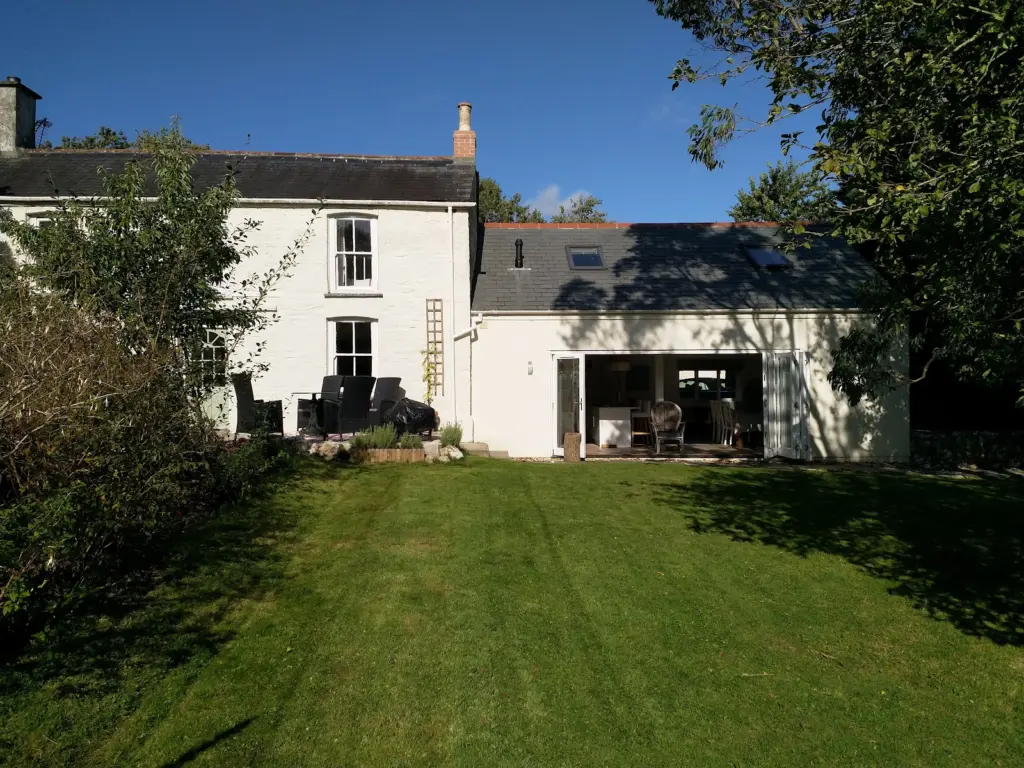
Little Chycoose
Cottages & self catering
Booking.com link available
View stay
Stay in Cornwall
Find Gwennap accommodation that puts you in the right place for your kind of break.
Gwennap is a village and civil parish about five miles south east of Redruth in Cornwall. Its Cornish name is Lannwenep.
Make yourself at home
Open a listing for photos, contact details and any booking links. Save places with the heart to build your trip.
1 places to explore
Gwennap and nearby placesTypes use recorded details or the property name. Facilities, prices and availability need checking with the provider. Featured listings are paid placements. Some booking links earn us a commission.
Know before you go
Gwennap is a village and civil parish about five miles south east of Redruth in Cornwall. Its Cornish name is Lannwenep. The parish had a population of 1,602 at the 2021 census. It includes the hamlets of Burncoose, Comford, Coombe, Crofthandy, Cusgarne, Fernsplatt, Frogpool, Hick's Mill, Tresamble and United Downs.
In the 18th and early 19th centuries Gwennap was Cornwall's richest copper mining district, known as the richest square mile in the Old World. The Great County Adit, begun in 1748 by John Williams of Scorrier House, drained the local mines through about 63 miles of tunnels. Copper overtook tin as the main mineral by 1779, and the heyday was from 1815 to 1840. Tresavean Mine had the first man engine in Britain, installed in the 1840s. The district is part of the Cornwall and West Devon Mining Landscape World Heritage Site.
Gwennap Pit lies about 1.7 miles north west of the village, at the hamlet of Busveal near St Day. Mining subsidence created the hollow in the mid 18th century, and it was used for Cornish wrestling tournaments. John Wesley preached there 18 times between 1762 and 1789. His first visit was on 6 September 1762, when wind made it impossible to preach in the village and the crowd walked to the pit. Mine captains led by Richard Michell began to rebuild the pit as an amphitheatre in November 1806, and it opened for preaching on 18 June 1807. It normally seats about 2,000 people.
Get your bearings
The map shows all 1 mapped stays on this page, including nearby places. List filters do not change the map. Open a pin for the listing and check the road or ferry route before booking.
A little planning goes a long way
Two properties can look close on a map and still involve a very different journey. Ask about the whole stay, from unloading your bags to getting back after an evening out.
Find places to eat in GwennapAsk whether parking is on site, reserved elsewhere or in a public car park. Confirm unloading arrangements and the walk with luggage.
Ask the host about the route from the street to your room, lift access, bathroom layout and any steps inside. A central address or harbour view does not tell you whether a property suits your mobility needs.
Confirm the room layout, cot or extra bed arrangements and any dog restrictions directly. For cottages, check outside space and where you can unload. Do not assume a whole property, parking or pet permission is included.
Useful things to know
Gwennap is a village and civil parish about five miles south east of Redruth in Cornwall.
It is an amphitheatre about 1.7 miles north west of Gwennap village, at Busveal. Mining subsidence created it in the mid 18th century, and John Wesley preached there 18 times between 1762 and 1789. It normally seats about 2,000 people.
In the 18th and early 19th centuries it was Cornwall's richest copper mining district, known as the richest square mile in the Old World. It is now part of the Cornwall and West Devon Mining Landscape World Heritage Site.
The village is Lannwenep and the parish is Pluw Wenep.
Policies vary by property and sometimes by room. Check your dates, the number and size of dogs, extra charges, bed arrangements and any age restrictions with the provider before paying.
No. This is a directory to help you compare places and locations. Use the Check dates and prices button for current prices and availability, or open a listing and contact the property directly for availability and cancellation terms.
Property details come from directory records and should be confirmed with the provider. About Cornish.co.uk · Tell us about a correction
Put your stay together with food, beaches and things to do nearby.

Dydh da! What would you like to find in Cornwall?
Be one of the first cards people see in this list, with 12 photos and your own booking or website button. From £15 a month, first come, first served.
Be one of the first cards people see in this list, with 12 photos and your own booking or website button. From £15 a month, first come, first served.