Lat 50.1124° N, lon 5.3338° W●Cornish village
BreageCornwall
Breage is a village and civil parish about three miles west of Helston.
Breage at a glance
Breage and Ashton: two villages in a mining parish west of Helston
Breage is a village and civil parish about three miles west of Helston. Ashton is a village in the same parish, on the A394 between Penzance and Helston, about a mile north-east of Praa Sands. The parish is named after Saint Breaca, an Irish missionary, and had 3,159 residents at the 2021 census.
The 15th-century granite church is dedicated to Breaca. Its north wall has five medieval wall paintings. It also holds a Roman milestone of the 3rd century, inscribed for the Emperor Postumus, and the churchyard has an unusual Hiberno Saxon cross head. A Cornish cross found buried in the churchyard now stands near the south porch.
Apart from Praa Sands, the villages of the parish were tin and copper mining settlements, and there is evidence of habitation and mining over about two thousand years. Great Wheal Fortune worked from 1855 to 1880. Tregonning Hill, to the west, is a Site of Special Scientific Interest for its wildlife, and the coast west of Porthleven at Tremearne Par and Porthcew is protected for its geology.
Ashton (Trevonnen in Cornish) is said to mean ash-tree farm. Its Mission Church was designed by James Piers St Aubyn and dedicated on 11 March 1884, on a site given by the Duke of Leeds. The Lion and Lamb is the village pub. Breage has a Church of England primary school, which was established in the 1840s.
Planning questions
Frequently asked questions about Breage
Where is Breage?
Breage is a village and civil parish in west Cornwall, about three miles west of Helston. It is named after Saint Breaca.
Where is Ashton?
Ashton is a village in the civil parish of Breage, on the A394 between Penzance and Helston, about a mile north-east of Praa Sands.
What is special about Breage church?
The 15th-century granite church has five medieval wall paintings on its north wall, a 3rd-century Roman milestone and a Hiberno Saxon cross head in the churchyard.
What was the economy of the parish?
Apart from Praa Sands, the villages were tin and copper mining settlements. Great Wheal Fortune produced tin, copper, arsenic and tungsten between 1855 and 1880.
Interactive map
Must visit spots
Places worth making time for
Tourist places linked to Breage, including stay, food, beaches and things to do. Local trade services are listed separately so this page stays visitor first.
Keneggy Cove
Keneggy Cove is a cove in Breage, Cornwall.
Rinsey Head Cliff Walk
Embark on a breathtaking coastal walk from Rinsey Head near Breage, offering spectacular views of the rugged Cornish…
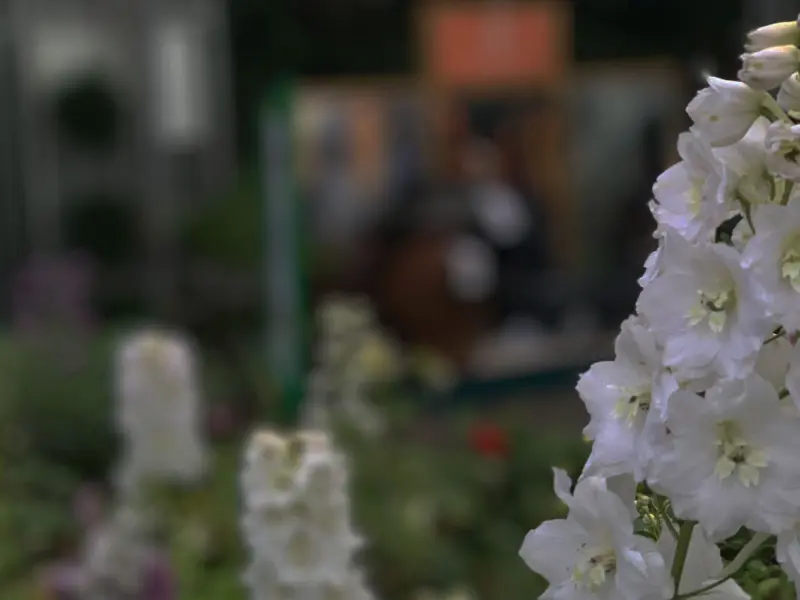
Trevena Cross Nurseries
A delightful garden centre and farm shop near Breage, offering a fantastic selection of plants, local produce, gifts,…
Coast & countryside
Explore around Breage
Use the map and coast path links for walks, beaches and viewpoints near Breage. Check tide, weather and cliff conditions before you go.
Local area
Getting oriented in Breage
This page uses the same layout as our main destination guides. Listings and map pins show visitor places tagged to Breage and the surrounding parish.
Walk from the harbour
Three ways to extend the visit
Open the interactive map
Filter by eat, stay, fun and walks to plan a short visit.
One day itinerary
A flexible day around Breage
A simple plan you can shorten or swap for weather. Add local tips when you know the place.
- 45 minStart on the mapSee what is tagged near the village centre.
- 90 minPick one place to visitChoose eat, stay or see & do from local listings.
- 75 minLunch or a breakUse food listings on the map when you are ready.
Breage in photographs
Share a clear local view. Place the pin on the exact spot so the photo appears here, not on a nearby town.
Please log in to submit a Cornwall photo.
Discover & connect
Around Breage
Jump from Breage to the parish, the mother town, nearby places, and stay or eat pages.
Mother and child areas
Nearby places
Explore by category
Interactive map
Popular nearby
Places to start with
Rinsey Head Cliff Walk
Embark on a breathtaking coastal walk from Rinsey Head near Breage, offering spectacular views of the rugged Cornish…
Trevena Cross Nurseries
A delightful garden centre and farm shop near Breage, offering a fantastic selection of plants, local produce, gifts,…
There are no mapped places in this category yet.
Everything in one place
Browse Breage
Every stay, place to eat, thing to do, beach and shop listed for Breage.
No places in this category yet.
Looking for somewhere to stay in Breage?
See the stays on the map, add your dates and guests, then check availability on Booking.com.
Plan your stay in Breage on the map