Old School Social Club
Discover delightful homemade food and local ales at this charming cafe, nestled near the heart of Pelynt.


Lat 50.3680° N, lon 4.5330° W●Cornish village
Pelynt (Pluwnennys in Cornish) is a village and civil parish in south east Cornwall, about four miles west northwest of Looe and 20 miles west of Plymouth.
Pelynt at a glance
Pelynt (Pluwnennys in Cornish) is a village and civil parish in south east Cornwall, about four miles west northwest of Looe and 20 miles west of Plymouth. At the 2011 census the parish had 1,296 residents. The name combines the Cornish word pluw, meaning parish, with the name of a saint, either Saint Non, mother of St David, or St Nynnid.
The manor of Pelynt is in the Domesday Book of 1086, where it was valued far higher than Looe. For centuries the area was tied to the Trelawny family, whose seat was nearby at Trelawne. Sir Jonathan Trelawny, born in 1650, became Bishop of Bristol, Exeter and Winchester. The writer Eliza Fenwick was born in Pelynt, and so was Hamelin Trelawny, later Governor of Saint Helena. The poet and author Geoffrey Grigson was born in the vicarage in 1905.
The parish church is dedicated to St Nonna and is built in the Perpendicular style. The tower dates to the 14th century and is older than the rest of the church. Around 1680 one arcade was remodelled in Tuscan Doric style. The church holds a memorial to Bishop Jonathan Trelawny, whose pastoral staff is preserved there, as well as memorials to other members of the family.
The Jubilee is a 16th-century inn. The village school was founded in 1882, and Cornish wrestling tournaments with prizes were held in Pelynt in the 1800s. Near the village there is an ancient barrow cemetery, where ten barrows still survive and others have been destroyed.
Planning questions
Pelynt is a village and civil parish in south east Cornwall, about four miles west northwest of Looe and 20 miles west of Plymouth. Its Cornish name is Pluwnennys.
It is known for its long link with the Trelawny family, including Bishop Jonathan Trelawny, and for St Nonna's church, which holds Trelawny memorials.
The name combines the Cornish word pluw, meaning parish, with a saint's name, either Saint Non, mother of St David, or St Nynnid.
Wikipedia lists the writer Eliza Fenwick, Hamelin Trelawny, later Governor of Saint Helena, and the poet Geoffrey Grigson, who was born at the vicarage.
Must visit spots
Tourist places linked to Pelynt, including stay, food, beaches and things to do. Local trade services are listed separately so this page stays visitor first.
Discover delightful homemade food and local ales at this charming cafe, nestled near the heart of Pelynt.
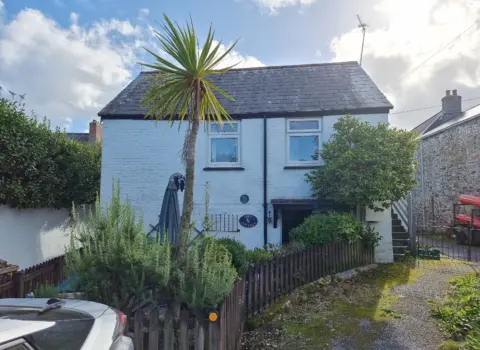
Owl Cottage is a holiday let in Pelynt, Cornwall, bookable through Booking.com.
Second Beach sits in Looe, Cornwall.

Stormy Studios is an independent web design studio in Pelynt, near Looe, Cornwall. Led by Matt Fryer, we…
Coast & countryside
Use the map and coast path links for walks, beaches and viewpoints near Pelynt. Check tide, weather and cliff conditions before you go.
Local area
This page uses the same layout as our main destination guides. Listings and map pins show visitor places tagged to Pelynt and the surrounding parish.
Walk from the harbour
Filter by eat, stay, fun and walks to plan a short visit.
One day itinerary
A simple plan you can shorten or swap for weather. Add local tips when you know the place.
Share a clear local view. Place the pin on the exact spot so the photo appears here, not on a nearby town.
Please log in to submit a Cornwall photo.
Discover & connect
Jump from Pelynt to the parish, the mother town, nearby places, and stay or eat pages.
Popular nearby
Discover delightful homemade food and local ales at this charming cafe, nestled near the heart of Pelynt.
Owl Cottage is a holiday let in Pelynt, Cornwall, bookable through Booking.com.
Stormy Studios is an independent web design studio in Pelynt, near Looe, Cornwall. Led by Matt Fryer, we…
There are no mapped places in this category yet.
Everything in one place
Every stay, place to eat, thing to do, beach and shop listed for Pelynt.
No places in this category yet.
Looking for somewhere to stay in Pelynt?
See the stays on the map, add your dates and guests, then check availability on Booking.com.
Plan your stay in Pelynt on the map
Dydh da! What would you like to find in Cornwall?
Be one of the first cards people see in this list, with 12 photos and your own booking or website button. From £15 a month, first come, first served.
Be one of the first cards people see in this list, with 12 photos and your own booking or website button. From £15 a month, first come, first served.