Calamansack Beach
Calamansack Beach lies in Port Navas on the Helford.
View beach

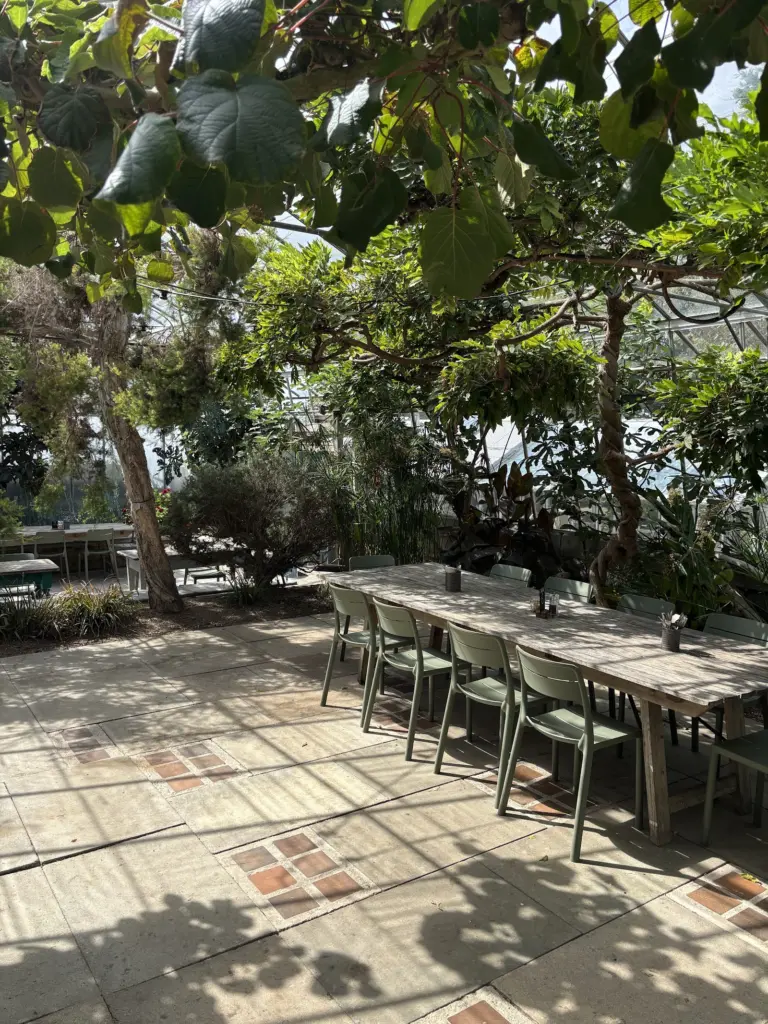
Lat 50.1118° N, lon 5.1482° W●Cornish village
Porth Navas, also written Port Navas, is a village at the head of a short creek that branches off the Helford River.
Port Navas at a glance
Porth Navas, also written Port Navas, is a village at the head of a short creek that branches off the Helford River. It lies between Mawnan Smith and Constantine, within the civil parish of Constantine and the Cornwall Area of Outstanding Natural Beauty. Its Cornish name is Porth an Navas, and until the 19th century it was known as Cove.
From medieval times until the 19th century the creek gave neighbouring farms access to the sea. In the 19th century it was developed as a port for exporting local granite. A track with a retaining wall was built along the north bank, and a quay with cranes opened for trade in 1830. A second quay with deeper water was added further down the creek. Granite from the port was used for London projects, including Tower Bridge.
Cheaper Norwegian granite and the rise of concrete brought the trade to an end, although coasting vessels went on carrying coal and chalk until the 1930s. The creek dries at low tide.
Oyster farming has taken place at Porth Navas since 1829, and the lower quay is in commercial use for the oyster fishery. There are moorings for small craft, and pontoons at a club on the upper quay.
Today the village is mainly residential and a place for leisure boating. A former Methodist chapel has been converted into a private house, and the village hall has been restored to its community role and hosts regular activities.
Planning questions
Porth Navas is a village at the head of a creek that branches off the Helford River, between Mawnan Smith and Constantine. It is in the parish of Constantine.
Both spellings are used. The Cornish name is Porth an Navas, and until the 19th century the place was called Cove.
Oyster farming has taken place at Porth Navas since 1829, and the lower quay is used for the oyster fishery.
In the 19th century Porth Navas was a port for exporting granite. A quay with cranes opened in 1830, and granite from here was used for London projects including Tower Bridge.
Must visit spots
Tourist places linked to Port Navas, including stay, food, beaches and things to do. Local trade services are listed separately so this page stays visitor first.
Calamansack Beach lies in Port Navas on the Helford.
Discover the serene beauty of Port Navas Creek, a picturesque Helford River inlet.
Porth Navas Beach sits in Port Navas, Cornwall.
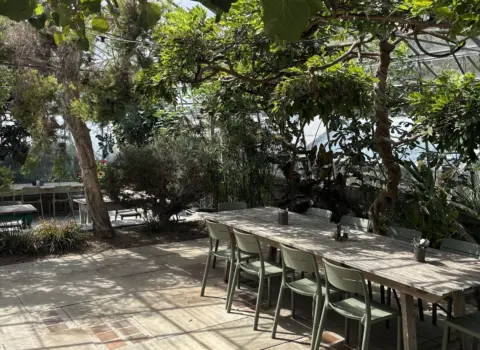
Experience the charm of this delightful garden shop near Mylor Churchtown, offering unique plants, garden art, and handcrafted…
Coast & countryside
Use the map and coast path links for walks, beaches and viewpoints near Port Navas. Check tide, weather and cliff conditions before you go.
Local area
This page uses the same layout as our main destination guides. Listings and map pins show visitor places tagged to Port Navas and the surrounding parish.
Walk from the harbour
Filter by eat, stay, fun and walks to plan a short visit.
One day itinerary
A simple plan you can shorten or swap for weather. Add local tips when you know the place.
Share a clear local view. Place the pin on the exact spot so the photo appears here, not on a nearby town.
Please log in to submit a Cornwall photo.
Discover & connect
Jump from Port Navas to the parish, the mother town, nearby places, and stay or eat pages.
Popular nearby
Discover the serene beauty of Port Navas Creek, a picturesque Helford River inlet.
Experience the charm of this delightful garden shop near Mylor Churchtown, offering unique plants, garden art, and handcrafted…
There are no mapped places in this category yet.
Everything in one place
Every stay, place to eat, thing to do, beach and shop listed for Port Navas.
No places in this category yet.
Looking for somewhere to stay in Port Navas?
See the stays on the map, add your dates and guests, then check availability on Booking.com.
Plan your stay in Port Navas on the map
Dydh da! What would you like to find in Cornwall?
Be one of the first cards people see in this list, with 12 photos and your own booking or website button. From £15 a month, first come, first served.
Be one of the first cards people see in this list, with 12 photos and your own booking or website button. From £15 a month, first come, first served.