Kilkern Cove
Kilkern Cove is a cove near Porthallow in Cornwall.
View beach

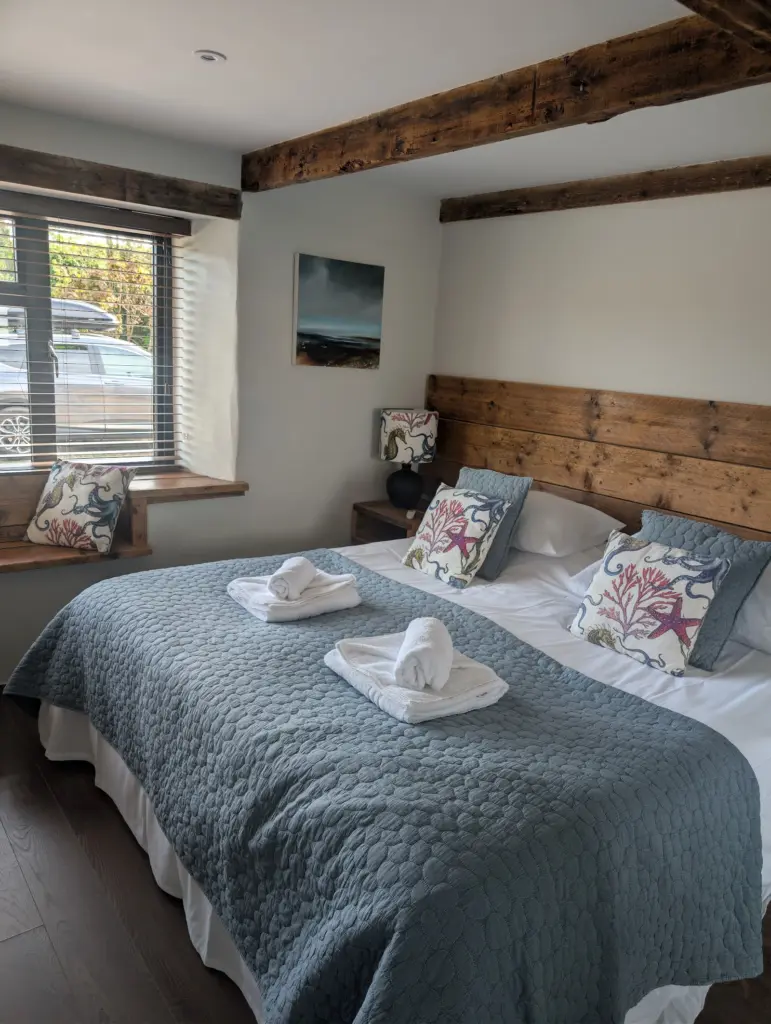
Lat 50.0630° N, lon 5.0810° W●Cornish village
This guide covers three places in the civil parish of St Keverne, on the east side of the Lizard peninsula in Cornwall.
Porthallow at a glance
This guide covers three places in the civil parish of St Keverne, on the east side of the Lizard peninsula in Cornwall. Porthallow is a small fishing village on the coast, Zoar is an inland hamlet in the parish, and St Keverne is the large village that gives the parish its name. The parish had 2,147 residents at the 2011 census and lies within the Cornwall Area of Outstanding Natural Beauty.
Porthallow (Porthalow in Cornish, said to mean cove of water lilies) lies south of the Helford River, with one road running through it. It was a thriving fishing village by the 13th century, first used as a fishing base by Beaulieu Abbey. Duchy of Cornwall rent records of the 14th century show it paying slightly less than Fowey. In 1836 seine fishing was reported here. The Trelowarren estate leased the village to the Porthallow Pilchard Curing Company from 1914 to 1937, and it was then bought by the Porthallow Institute and Reading Room.
The beach was a launch site for diving on the Manacles in the 1960s. In 1971 diving and overnight camping were banned from the beach, and village trustees bought and ran it. The Porthallow Village Association became a charity in 2008, and a new village hall was built in 2010. The Five Pilchards is the village pub, and the South West Coast Path passes through the village. Geologically, the boundary between the Meneage and the Lizard District runs between Polurrian Cove and Porthallow.
St Keverne is best known for the Cornish rebellion of 1497, which started here. Its leader, Michael An Gof, was a blacksmith from the village and is commemorated by a statue. The church of St Akeveranus is very large for a village church, dates mainly from the 15th century and, unusually for Cornwall, has a spire. It has a peal of ten bells, and a carronade recovered in 1978 from HMS Primrose stands by the lych-gate.
HMS Primrose was wrecked on the Manacles on 21 January 1809, killing 125 people. There was one survivor, a drummer boy. The parish has about 10 miles of coast, from Nare Point at the mouth of the Helford River to Kennack Sands, and evidence of human settlement from the Mesolithic period. Other places in the parish include Porthoustock, Coverack, Laddenvean and Traboe.
Planning questions
Porthallow is a small fishing village on the east coast of the Lizard peninsula, south of the Helford River, in the parish of St Keverne.
Zoar is an inland hamlet in the parish of St Keverne, on the Lizard.
The Cornish rebellion of 1497 started in St Keverne. Its leader, Michael An Gof, was a blacksmith from the village and is commemorated by a statue there.
The Manacles are offshore rocks in the parish of St Keverne. HMS Primrose was wrecked on them on 21 January 1809, and they later became a diving site.
Must visit spots
Tourist places linked to Porthallow, including stay, food, beaches and things to do. Local trade services are listed separately so this page stays visitor first.
Kilkern Cove is a cove near Porthallow in Cornwall.
Experience the authentic charm of Porthallow with a stay at this friendly campsite, nestled just a stone's throw…
Porthkeris is a beach at Mawnan in Cornwall.
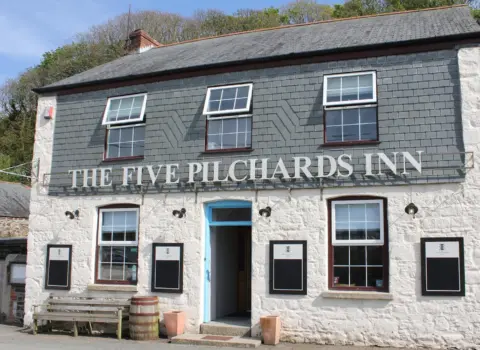
A beloved traditional pub nestled in the heart of Porthallow, offering delicious local food and a warm, friendly…
The Rum House is a place to stay in Helston, Cornwall, bookable on Booking.com.
Coast & countryside
Use the map and coast path links for walks, beaches and viewpoints near Porthallow. Check tide, weather and cliff conditions before you go.
Local area
This page uses the same layout as our main destination guides. Listings and map pins show visitor places tagged to Porthallow and the surrounding parish.
Walk from the harbour
Filter by eat, stay, fun and walks to plan a short visit.
One day itinerary
A simple plan you can shorten or swap for weather. Add local tips when you know the place.
Share a clear local view. Place the pin on the exact spot so the photo appears here, not on a nearby town.
Please log in to submit a Cornwall photo.
Discover & connect
Jump from Porthallow to the parish, the mother town, nearby places, and stay or eat pages.
Popular nearby
Experience the authentic charm of Porthallow with a stay at this friendly campsite, nestled just a stone's throw…
A beloved traditional pub nestled in the heart of Porthallow, offering delicious local food and a warm, friendly…
The Rum House is a place to stay in Helston, Cornwall, bookable on Booking.com.
There are no mapped places in this category yet.
Everything in one place
Every stay, place to eat, thing to do, beach and shop listed for Porthallow.
No places in this category yet.
Looking for somewhere to stay in Porthallow?
See the stays on the map, add your dates and guests, then check availability on Booking.com.
Plan your stay in Porthallow on the map
Dydh da! What would you like to find in Cornwall?
Be one of the first cards people see in this list, with 12 photos and your own booking or website button. From £15 a month, first come, first served.
Be one of the first cards people see in this list, with 12 photos and your own booking or website button. From £15 a month, first come, first served.