

Local story
Cathedral city
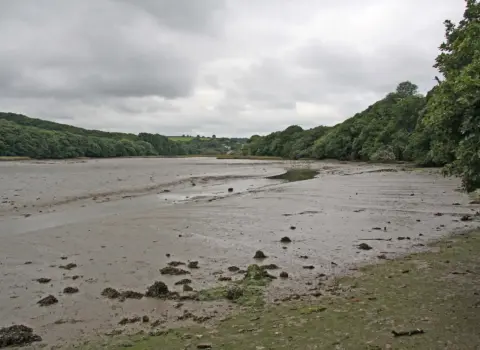
Truro is Cornwall's only city and sits in the centre of the west of the county, about 9 miles from the south coast. The Kenwyn and Allen rivers meet here to form the Truro River, which flows into the Fal and the Carrick Roads. It is described as the southernmost city in the United Kingdom.
The town grew as a river port and a stannary town for tin. An Elizabethan charter of 1589 gave it an elected mayor, and wealth from tin mining in the 18th and 19th centuries paid for many of its Georgian and Victorian buildings. Truro became a city in 1877, a year after the Diocese of Truro was created.
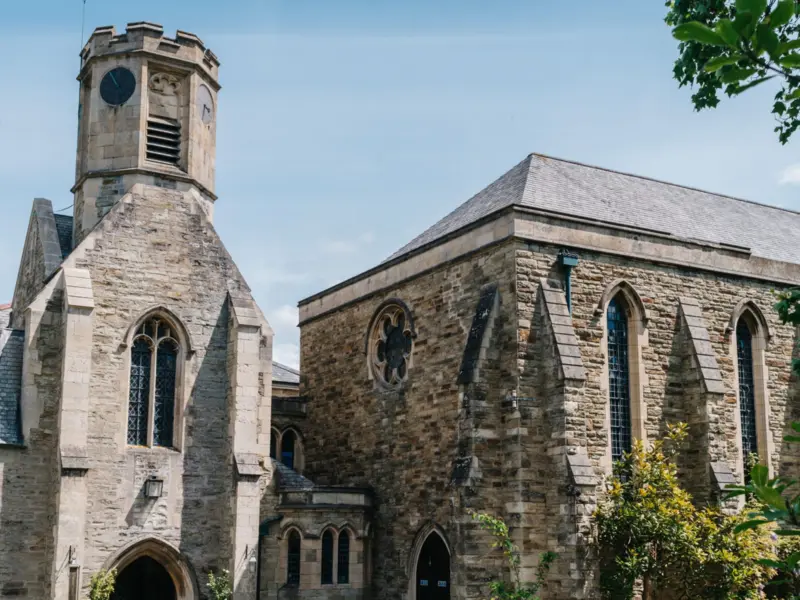
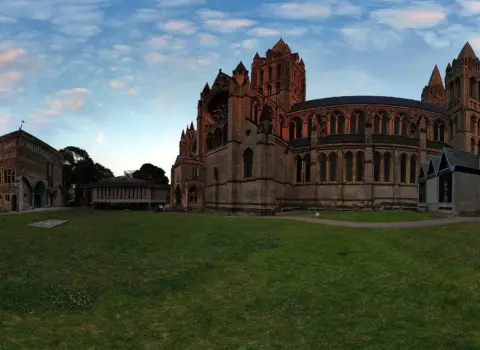
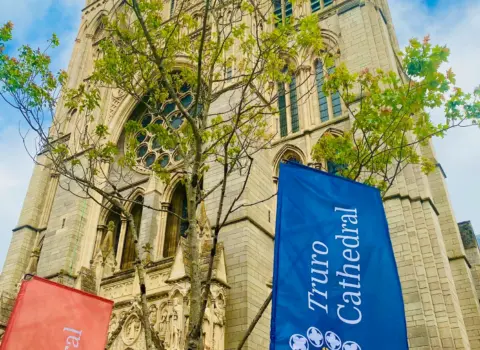
Truro Cathedral dominates the skyline. It was built between 1880 and 1910 in the Gothic revival style by John Loughborough Pearson, and its tallest spire rises 249 feet. Lemon Street, lined with Georgian townhouses, is often called one of the finest Georgian streets west of Bath.
The city is home to the Royal Cornwall Museum, which covers Cornish archaeology, art and geology. The Hall for Cornwall is the main venue for theatre and live shows, housed in the same building as the 1846 City Hall.
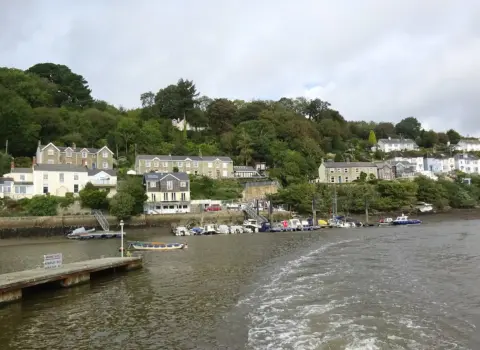
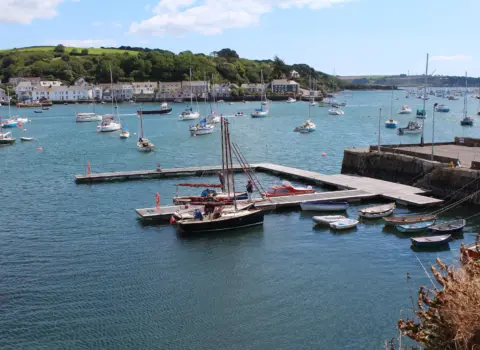
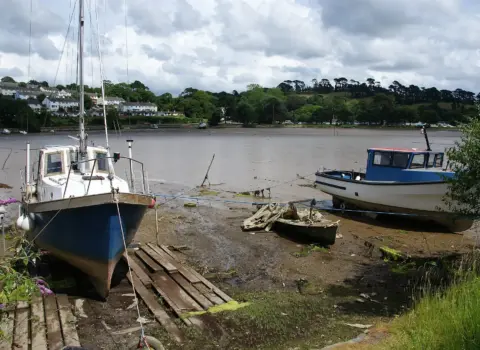
From Easter to October, Enterprise Boats run along the Truro and Fal rivers to Falmouth and St Mawes, calling at Trelissick. Sailing times vary with the tide. Trelissick and the parkland at Tregothnan both lie along the Truro River south of the city.
Use Cornish.co.uk to find places to stay, food and drink and things to do around Truro. Open the interactive map for pins, or jump to Cornwall walks and local services. Discover & connect lists neighbouring towns and parishes.