Percuil River
The Percuil River provides picturesque estuary views and a haven for kayakers and walkers.

Lat 50.2180° N, lon 5.0030° W●Cornish village
Philleigh is a small village and parish on the Roseland peninsula, on the east side of the River Fal, and one of the four parishes that make up the Roseland.
Philleigh at a glance
Philleigh is a small village and parish on the Roseland peninsula, on the east side of the River Fal, and one of the four parishes that make up the Roseland. Its Cornish name is Eglosros, and the parish includes the hamlets of Treworlas and Treworthal. Close by, further up the Fal and about four miles east south east of Truro, is Ruan Lanihorne, a village of about 250 people set between the Fal and its tributary, the Ruan River. Both lie within the Cornwall National Landscape, a peaceful corner of farmland, creeks and wooded valleys.
Most visitors arrive on the King Harry Ferry, a chain ferry carrying vehicles across the Fal between Feock and Philleigh, roughly halfway between Truro and Falmouth. A steam chain ferry began here in 1888, replacing a barge, and the present boat, built in 2006, is the seventh since then and carries up to 34 cars. The Independent named it one of the ten most scenic ferry trips in the world. Without the ferry, the drive round via Truro is about 26 miles.
Philleigh's church is dedicated to St Fili, who probably came from Wales and is said to have been a companion of St Kea. It has a west tower, a north transept and a south aisle with a seven bay arcade of white granite, and its octagonal font dates from the 13th century. Beside it, the slate hung Glebe House has a Georgian front. Tolverne, on the river in the parish, was an embarkation point for the D Day landings in the Second World War.
The Roseland Inn stands at the heart of Philleigh on the ferry road. CAMRA lists it as a 16th century country inn with slate floors, low beams and a flagstone passage, included in its Real Heritage Pub listings. It is known for home cooked food and is friendly to dogs, children and cyclists, with a garden and parking. Roseland Rugby Club, formed in 1971, is also based in the village.
Ruan Lanihorne's church of St Rumon was dedicated in 1321 and is built of local grey slate, with a font of about the 14th century. From the mid 12th century the village was the seat of the Lercedekne family, whose castle once had seven towers. It decayed after the family line died out, and the last tower came down in 1718, its stone reused in village houses. In June the churchyard grass is left long, so paths run through a field of yellow flowers.
Ruan creek was once deep enough for shipping, and after Tregony stopped working as a port, vessels landed here instead. Hyde's Quay, built in the late 19th century, was used until the Second World War. Silt from tin streaming and china clay workings has since filled the river, and today only small boats and canoes reach the village at high tide. The creek is now a haven for waders and waterfowl. Across the Fal from Philleigh, beside the ferry, is the National Trust's Trelissick, with its garden, parkland and river walks.
Planning questions
Philleigh is a small village on the Roseland peninsula, on the east side of the River Fal. It is one of the four parishes of the Roseland and lies within the Cornwall National Landscape. The King Harry Ferry links the parish with Feock on the west bank.
It is a chain ferry carrying vehicles across the River Fal between Feock and Philleigh, roughly halfway between Truro and Falmouth. A steam chain ferry started at the crossing in 1888, and the current boat, built in 2006, carries up to 34 cars. If the ferry is not running, the road route via Truro is about 26 miles.
Yes. CAMRA lists the Roseland Inn as friendly to dogs, children and cyclists. It is a food led 16th century country inn with a restaurant, a bar and a locals' snug, plus a garden and parking.
Yes. From the mid 12th century Ruan Lanihorne was the seat of the Lercedekne family, and in 1334 Edward III allowed John Lercedekne to fortify his castle, which had seven towers. It fell into decay after the family line ended, and the last tower was pulled down in 1718. Its stone was used to build houses in the village.
Only small boats and canoes can reach the village, and only at high tide. The creek was once deep enough for trading vessels, and Hyde's Quay was used until the Second World War, but silt from tin and china clay working has filled the river.
Trelissick, a National Trust house and garden with river views and woodland walks, is beside the ferry on the Feock side. St Fili's church in Philleigh has a 13th century font and a white granite arcade, and St Rumon's at Ruan Lanihorne dates from 1321. Veryan and St Mawes are further south on the Roseland.
Must visit spots
Tourist places linked to Philleigh, including stay, food, beaches and things to do. Local trade services are listed separately so this page stays visitor first.
The Percuil River provides picturesque estuary views and a haven for kayakers and walkers.
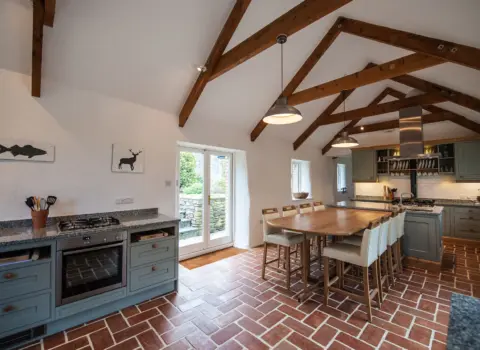
A foodie destination just a stone's throw from St Mawes.Finding Philleigh Way Cookery School Farm ShopAddress listed: Court…
Discover the quiet charm of Place Creek, a sheltered inlet offering beautiful reflections and a sense of secluded…
Discover the historic charm of Tolverne, a picturesque spot on the River Fal near Ruan Lanihorne.
Tregurra Farm Services Philleigh sits in Philleigh, Cornwall — a practical local service business for visitors exploring the…
Coast & countryside
Use the map and coast path links for walks, beaches and viewpoints near Philleigh. Check tide, weather and cliff conditions before you go.
Local area
This page uses the same layout as our main destination guides. Listings and map pins show visitor places tagged to Philleigh and the surrounding parish.
Walk from the harbour
Filter by eat, stay, fun and walks to plan a short visit.
One day itinerary
A simple plan you can shorten or swap for weather. Add local tips when you know the place.
Share a clear local view. Place the pin on the exact spot so the photo appears here, not on a nearby town.
Please log in to submit a Cornwall photo.
Discover & connect
Jump from Philleigh to the parish, the mother town, nearby places, and stay or eat pages.
Popular nearby
The Percuil River provides picturesque estuary views and a haven for kayakers and walkers.
A foodie destination just a stone's throw from St Mawes.Finding Philleigh Way Cookery School Farm ShopAddress listed: Court…
Discover the quiet charm of Place Creek, a sheltered inlet offering beautiful reflections and a sense of secluded…
Discover the historic charm of Tolverne, a picturesque spot on the River Fal near Ruan Lanihorne.
Tregurra Farm Services Philleigh sits in Philleigh, Cornwall — a practical local service business for visitors exploring the…
There are no mapped places in this category yet.
Everything in one place
Every stay, place to eat, thing to do, beach and shop listed for Philleigh.
No places in this category yet.
Looking for somewhere to stay in Philleigh?
See the stays on the map, add your dates and guests, then check availability on Booking.com.
Plan your stay in Philleigh on the map
Dydh da! What would you like to find in Cornwall?

Be one of the first cards people see in this list, with 12 photos and your own booking or website button. From £15 a month, first come, first served.
Be one of the first cards people see in this list, with 12 photos and your own booking or website button. From £15 a month, first come, first served.