

Local story
Mining heritage
Camborne is a town in west Cornwall, about 2 miles inland from the north coast. It forms the western part of a loose built up area with Redruth, about 3 miles to the east. The parish reaches the sea at Hell's Mouth and Deadman's Cove.
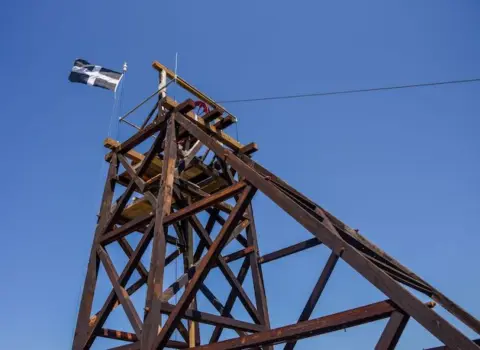
The town grew rich on tin and copper. Dolcoath Mine was for many years the deepest mine in the world, and South Crofty, the last working tin mine in Europe, closed in 1998. The Camborne School of Mines began here in 1872 and is now part of the University of Exeter.
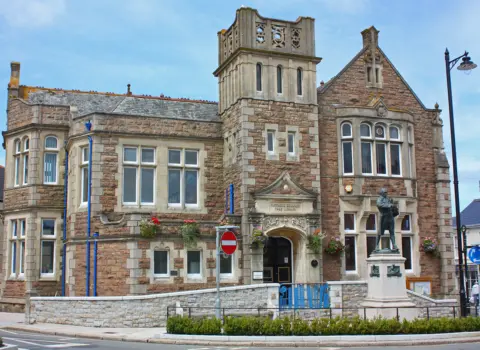
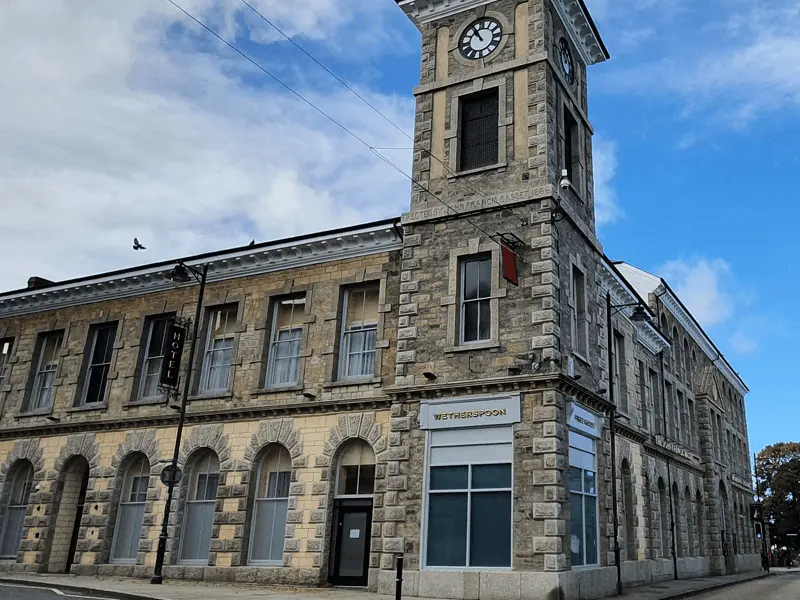
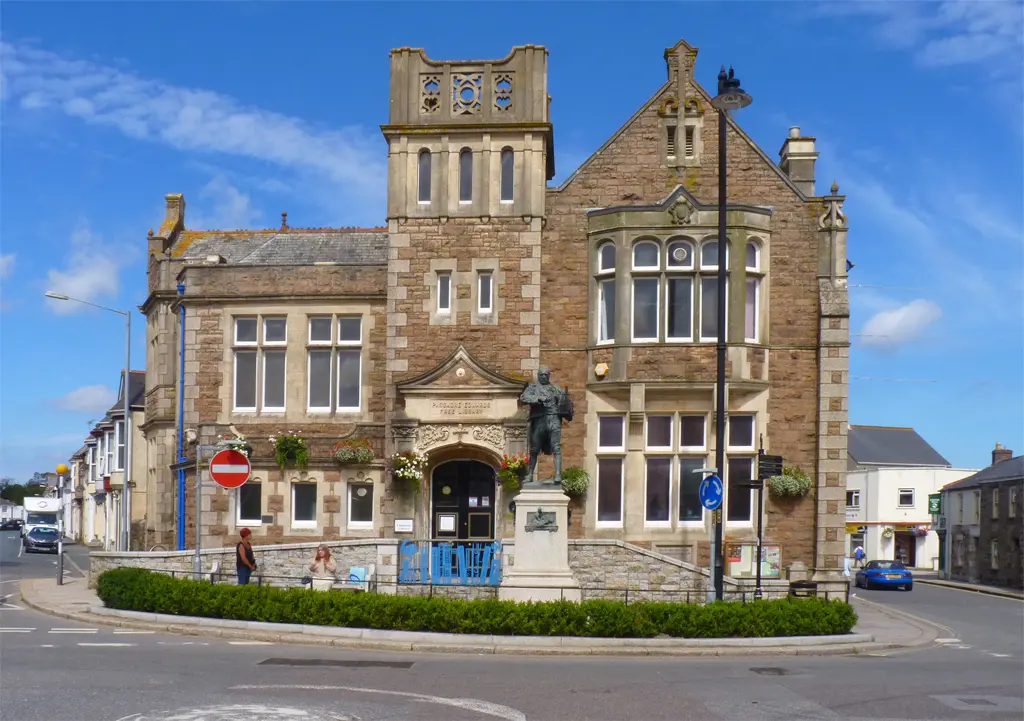
Camborne is also the home of Richard Trevithick's Puffing Devil, the steam road locomotive that climbed Camborne Hill on Christmas Eve 1801. In the centre you will find the granite church of St Martin and St Meriadoc, the Market House of 1866 and the Passmore Edwards Building, which houses the library and town council.
For a day out, Tehidy Country Park covers 250 acres of woodland with over 9 miles of paths and free car parks. King Edward Mine at Troon, about 1.5 miles south of the station, is a tin mining museum within the Cornish Mining World Heritage Site.
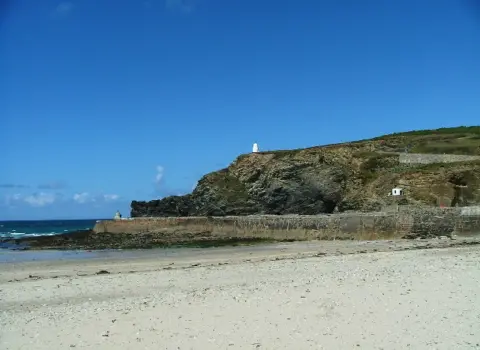
The nearest beach is Portreath, a sand and shingle cove with RNLI lifeguards in summer. Buses 48, 49 and 49A link Camborne with Portreath, and Godrevy's long sandy beach is further west at the end of St Ives Bay.
Use Cornish.co.uk to find places to stay, food and drink and things to do around Camborne. Open the interactive map for pins, or jump to Cornwall walks and local services. Discover & connect lists neighbouring towns and parishes.