Lat 50.3430° N, lon 5.1320° W●Cornish village
PerranzabuloeCornwall
Perranzabuloe is a coastal civil parish on Cornwall's north coast, and the name is also used for the small hamlet with the parish church.
Perranzabuloe at a glance
Perranzabuloe: the parish of St Piran in the sand, around Perranporth on the north coast
Perranzabuloe is a coastal civil parish on Cornwall's north coast, and the name is also used for the small hamlet with the parish church. The hamlet is just over a mile south of Perranporth and about seven miles south-south-west of Newquay. The parish also includes Perrancoombe, Goonhavern and Callestick, and at the 2011 census it had 5,486 residents. Its western edge is the Atlantic coast.
The name comes from medieval Latin Perranus in Sabulo, meaning Piran in the sand. Saint Piran, the patron saint of Cornwall, is said to have landed on the beach from Ireland and built an oratory in the Irish style. St Piran's Oratory lies in the Penhale Sands dunes. It was revealed in 1835, excavated in 1910, and had been abandoned in the 10th century as sand encroached.
Close by are St Piran's Round, a circular late prehistoric enclosure later used as a plen-an-gwary, or playing place, one of only two that remain, and St Piran's Cross. The cross is about 2.4 metres high and is believed to be the earliest recorded stone cross in Cornwall. Each year on St Piran's Day, 5 March, a march crosses the dunes to the cross.
The old church of St Piran was completed by the 12th century and enlarged in 1462. Mining reduced the stream that protected it, sand buried it, and the last service was held in 1795. The present parish church was dedicated to St Piran in July 1805, partly built from materials of the old church, and was renovated in 1878.
In the Middle Ages the parish was a peculiar of Exeter Cathedral. Mining mattered too: West Chiverton Mine produced 45,100 tons of lead ore between 1859 and 1886. The Perran Feast is held on the last Monday in October, and the rally driver and engineer Donald Healey was born in the parish.
Planning questions
Frequently asked questions about Perranzabuloe
What is Perranzabuloe?
It is a coastal civil parish in Cornwall, with Perranporth as its principal settlement. The name also belongs to the hamlet with the parish church, just over a mile south of Perranporth.
What does Perranzabuloe mean?
It comes from medieval Latin Perranus in Sabulo, meaning Piran in the sand, after Saint Piran, the patron saint of Cornwall.
What is St Piran's Oratory?
It is the remains of an early oratory in the Penhale Sands dunes. It was revealed in 1835, excavated in 1910 and abandoned in the 10th century as sand encroached.
When is St Piran's Day?
St Piran's Day is 5 March. A march crosses the dunes to St Piran's Cross, which is believed to be the earliest recorded stone cross in Cornwall.
Interactive map
Must visit spots
Places worth making time for
Tourist places linked to Perranzabuloe, including stay, food, beaches and things to do. Local trade services are listed separately so this page stays visitor first.
Cligga Head
Cligga Head is a coastal spot at Perranzabuloe in Cornwall.
Penhale Sands
Penhale Sands is a beach at Perranzabuloe in Cornwall, near Perranporth.
Penhale Sands (Holywell)
Penhale Sands (Holywell) is a beach in Perranzabuloe, a coastal parish just over a mile south of Perranporth…
St Piran’s Oratory
The excavated shell of an early chapel in the dunes of Penhale Sands, linked to St Piran and…
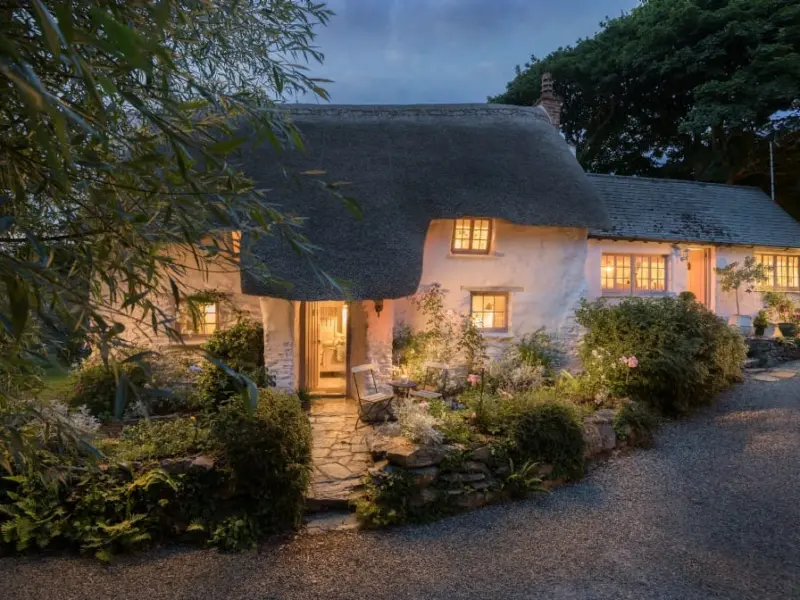
The Fable
A boutique hotel with a quirky and artistic flair in Perranzabuloe, offering uniquely designed rooms and a cosy…
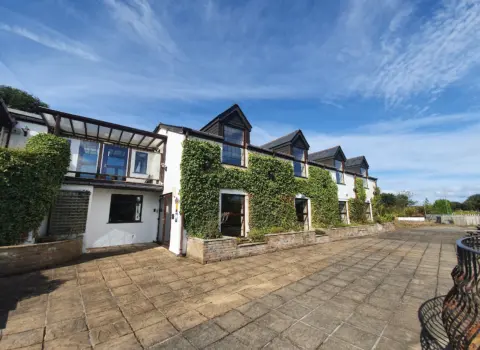
The Meadow Hotel
Meadows Hotel is a hotel in Perranzabuloe, Cornwall, bookable on Booking.com.
The Towans (Sand Dunes near Perranporth)
The Towans are sand dunes at Perran Sands near Perranporth in Cornwall.
Coast & countryside
Explore around Perranzabuloe
Use the map and coast path links for walks, beaches and viewpoints near Perranzabuloe. Check tide, weather and cliff conditions before you go.
Local area
Getting oriented in Perranzabuloe
This page uses the same layout as our main destination guides. Listings and map pins show visitor places tagged to Perranzabuloe and the surrounding parish.
Walk from the harbour
Three ways to extend the visit
Open the interactive map
Filter by eat, stay, fun and walks to plan a short visit.
One day itinerary
A flexible day around Perranzabuloe
A simple plan you can shorten or swap for weather. Add local tips when you know the place.
- 45 minStart on the mapSee what is tagged near the village centre.
- 90 minPick one place to visitChoose eat, stay or see & do from local listings.
- 75 minLunch or a breakUse food listings on the map when you are ready.
Perranzabuloe in photographs
Share a clear local view. Place the pin on the exact spot so the photo appears here, not on a nearby town.
Please log in to submit a Cornwall photo.
Discover & connect
Around Perranzabuloe
Jump from Perranzabuloe to the parish, the mother town, nearby places, and stay or eat pages.
Mother and child areas
Nearby places
Explore by category
Interactive map
Popular nearby
Places to start with
St Piran’s Oratory
The excavated shell of an early chapel in the dunes of Penhale Sands, linked to St Piran and…
The Fable
A boutique hotel with a quirky and artistic flair in Perranzabuloe, offering uniquely designed rooms and a cosy…
The Meadow Hotel
Meadows Hotel is a hotel in Perranzabuloe, Cornwall, bookable on Booking.com.
There are no mapped places in this category yet.
Everything in one place
Browse Perranzabuloe
Every stay, place to eat, thing to do, beach and shop listed for Perranzabuloe.
No places in this category yet.
Find a trade near Perranzabuloe
Looking for somewhere to stay in Perranzabuloe?
See the stays on the map, add your dates and guests, then check availability on Booking.com.
Plan your stay in Perranzabuloe on the map