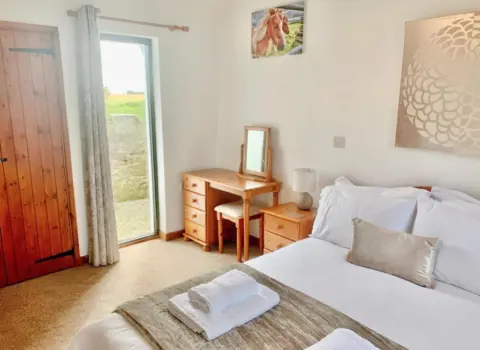
Hallagenna Cottages
Hallagenna Cottages is a place to stay in Bodmin, Cornwall, bookable on Booking.com.

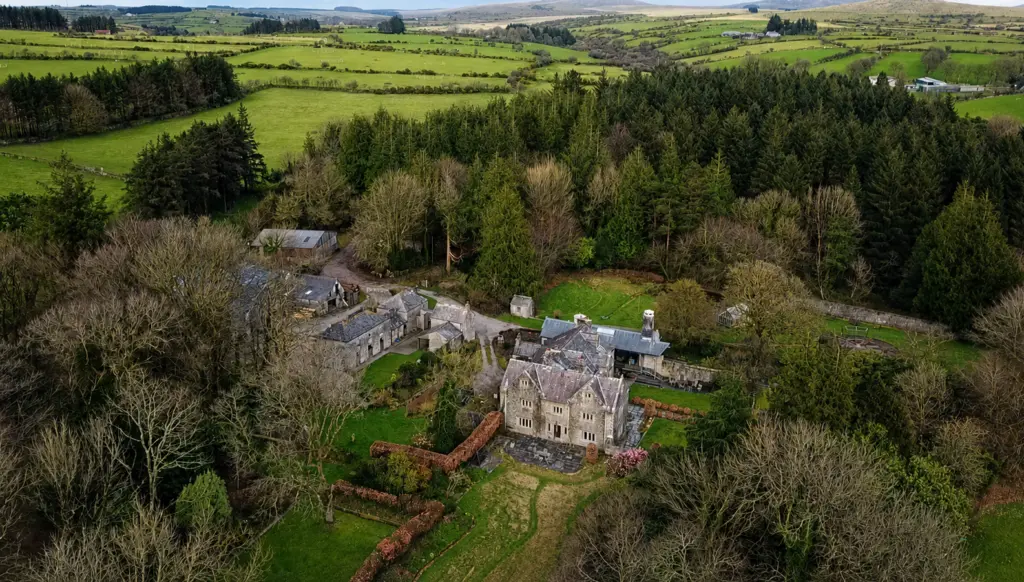
Lat 50.5542° N, lon 4.6854° W●Cornish village
St Breward is a village on the western edge of Bodmin Moor, about 6 miles from both Bodmin and Camelford.
St Breward at a glance
St Breward is a village on the western edge of Bodmin Moor, about 6 miles from both Bodmin and Camelford. It sits high on the western edge of Bodmin Moor, and the parish takes in some of the highest ground in the county. Roughtor and Brown Willy, Cornwall's highest point, form its eastern edge.
Until the Second World War the village was a scatter of small hamlets, including Churchtown, Row, Rylands and Limehead, which have since grown together. Most of the parish is open, unenclosed moorland grazed by sheep, ponies and cattle. The whole parish lies within the Cornwall National Landscape, and the moor supports rare plants and wildlife such as sundew and the pearl bordered fritillary butterfly.
Granite has been the parish's main industry for centuries. Commercial quarrying began at Tor Down around 1840 and at De Lank around 1900, and De Lank is known for the quality of its stone. Granite from the parish went into the Eddystone Lighthouse, Beachy Head Lighthouse and Tower Bridge. China clay was also worked at Stannon, where the old workings are now flooded.
The parish church of St Branwalader stands exposed on high ground at the top of the village. It dates from the Norman period, with a granite tower and south aisle added in the 15th century, and was restored in the 19th century. A footpath loop from the village passes the holy well and the church.
The moor around St Breward is rich in prehistoric remains. King Arthur's Hall is a prehistoric enclosure lined with standing stones, Fernacre stone circle has 76 stones, and Stannon Down has Bronze Age hut circles. Louden Hill has a long cairn, and several old stone crosses survive across the parish.
The Old Inn, a whitewashed building beside the church, is the last of four pubs that once served the quarry workers. It stands at about 689 feet, has real fires and serves food. Down in the valley at Wenfordbridge, the Camel Trail begins its 18 mile, largely traffic free route along a former railway to Bodmin, Wadebridge and Padstow.
Planning questions
St Breward sits high on the western edge of Bodmin Moor. The parish includes some of the highest ground in the county, with Roughtor and Brown Willy on its eastern edge. The Old Inn in the village stands at about 689 feet above sea level.
The Old Inn is a whitewashed pub in Churchtown, next to the church, and the oldest survivor of four pubs that once served local quarry workers. It has two bar rooms with real fires, a games room, a patio and a separate restaurant. It serves real ales and lunchtime and evening meals.
Yes. The Camel Trail starts at Wenfordbridge in St Breward parish and runs 18 miles along a former railway line to Bodmin, Wadebridge and Padstow. The section from Wenfordbridge to Bodmin is about 6.25 miles. The trail is surfaced and almost level, and suits walkers, cyclists, horse riders and wheelchair users.
Parking is limited in the village lanes. There is a small car park at the Wenfordbridge end of the Camel Trail, in the valley below the village. The Old Inn has its own parking for customers.
The moor around the village has Roughtor, Brown Willy, King Arthur's Hall, Fernacre stone circle and the Bronze Age remains on Stannon Down. In the village, a footpath loop passes the holy well and the Norman church of St Branwalader. The Camel Trail starts nearby at Wenfordbridge.
Granite from the parish's quarries has been used in famous structures including the Eddystone Lighthouse, Beachy Head Lighthouse and Tower Bridge. De Lank quarry, where commercial quarrying began around 1900, is known for its high quality stone. Moorland granite was also used to build the area's houses and churches.
Must visit spots
Tourist places linked to St Breward, including stay, food, beaches and things to do. Local trade services are listed separately so this page stays visitor first.
Hallagenna Cottages is a place to stay in Bodmin, Cornwall, bookable on Booking.com.
King Arthur's Hall is a prehistoric enclosure on the open moorland of Bodmin Moor, east of St Breward.
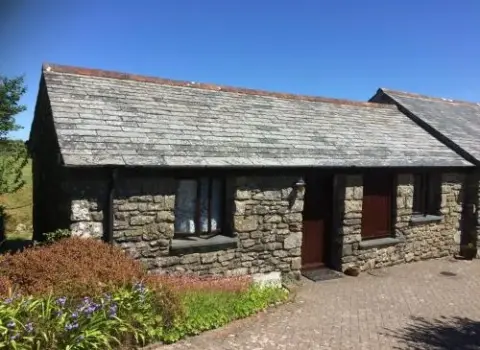
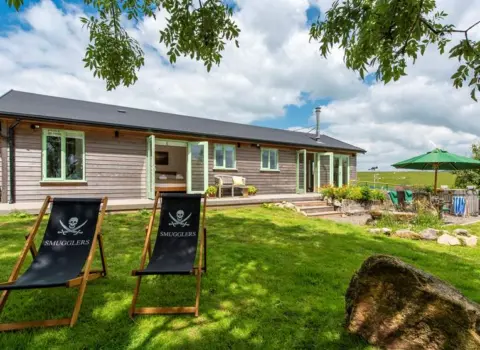
St Breward Methodist Chapel sits in St Breward, Cornwall — a practical local service business for visitors exploring…

Dedicated to serving the St Breward community, the Parish Council provides essential local governance and administrative support.
Your friendly local hub for essential services and supplies.
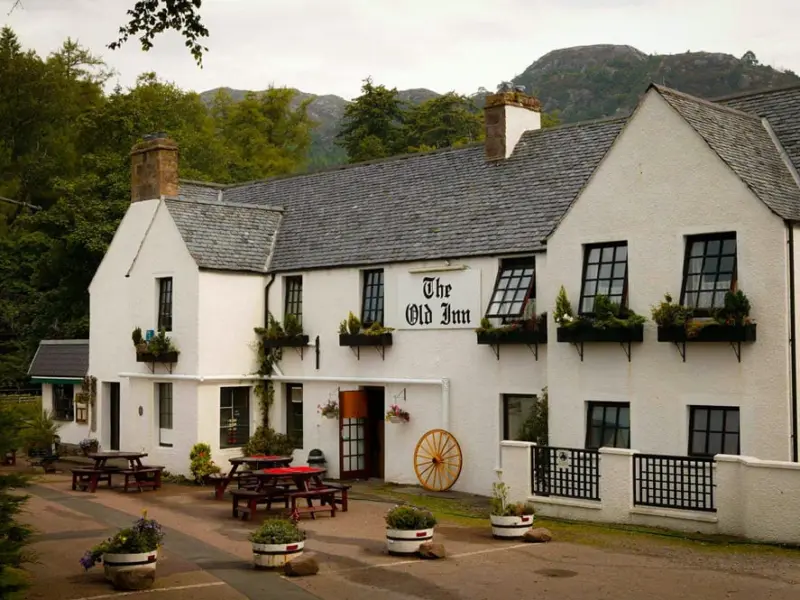
A charming village pub near St Breward, offering delicious food and a warm atmosphere.
Coast & countryside
Use the map and coast path links for walks, beaches and viewpoints near St Breward. Check tide, weather and cliff conditions before you go.
Local area
This page uses the same layout as our main destination guides. Listings and map pins show visitor places tagged to St Breward and the surrounding parish.
Walk from the harbour
Filter by eat, stay, fun and walks to plan a short visit.
One day itinerary
A simple plan you can shorten or swap for weather. Add local tips when you know the place.
Share a clear local view. Place the pin on the exact spot so the photo appears here, not on a nearby town.
Please log in to submit a Cornwall photo.
Discover & connect
Jump from St Breward to the parish, the mother town, nearby places, and stay or eat pages.
Popular nearby
Hallagenna Cottages is a place to stay in Bodmin, Cornwall, bookable on Booking.com.
King Arthur's Hall is a prehistoric enclosure on the open moorland of Bodmin Moor, east of St Breward.
St Breward Methodist Chapel sits in St Breward, Cornwall — a practical local service business for visitors exploring…
Dedicated to serving the St Breward community, the Parish Council provides essential local governance and administrative support.
Your friendly local hub for essential services and supplies.
A charming village pub near St Breward, offering delicious food and a warm atmosphere.
There are no mapped places in this category yet.
Everything in one place
Every stay, place to eat, thing to do, beach and shop listed for St Breward.
No places in this category yet.
Looking for somewhere to stay in St Breward?
See the stays on the map, add your dates and guests, then check availability on Booking.com.
Plan your stay in St Breward on the map
Dydh da! What would you like to find in Cornwall?
Be one of the first cards people see in this list, with 12 photos and your own booking or website button. From £15 a month, first come, first served.
Be one of the first cards people see in this list, with 12 photos and your own booking or website button. From £15 a month, first come, first served.